Every single day, the designed objects around you subtly influence your thoughts about governments and ideologies. You see it in the products you use, the architecture in your cities, art that is state-funded, and the graphic design of public service announcements. This video will uncover all the tools and tricks that designers, artists, and architects use when trying to influence your thoughts with crafty propaganda.
Some designs don’t change much. The paperclip, the Bic pen, the QWERTY keyboard layout, and even the PlayStation controller. Decades and sometimes even centuries pass, but these designs barely change at all. They’re quintessential. Why do some designs last for decades, while other seemingly better alternatives never catch on?
Why is it so hard for talented designers to create great products for developing countries? To get closer to an answer, I spoke with experts in international development, designers from diverse cultures, and conducted extensive secondary research.
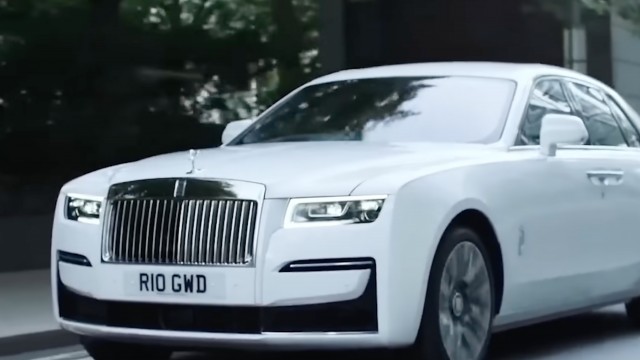
Are luxury designer goods ever worth the hype, or are they just a scam?
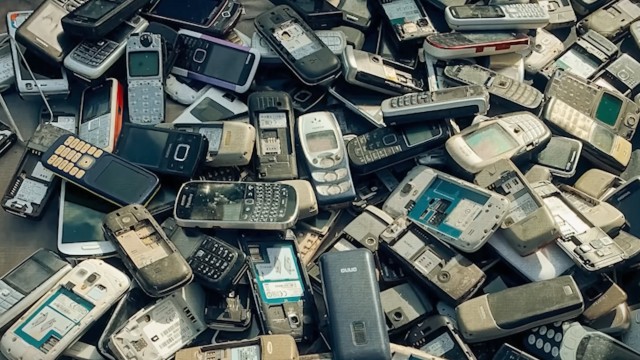
This video is about why designing repairable products is not as simple as you think. Many people think it doesn't happen because of corporate greed. While that is certain one reason, there are many other far less malicious reasons for the lack of repairability we see in our devices.
I love making videos, but I'm not sure how much longer I can do it unless something changes. Now, I'm not asking for your pity. I know how unbelievably fortunate I am to have this job. I'm really grateful to have an audience and a platform that lets me share my ideas, but I don't want to be beholden to one company.
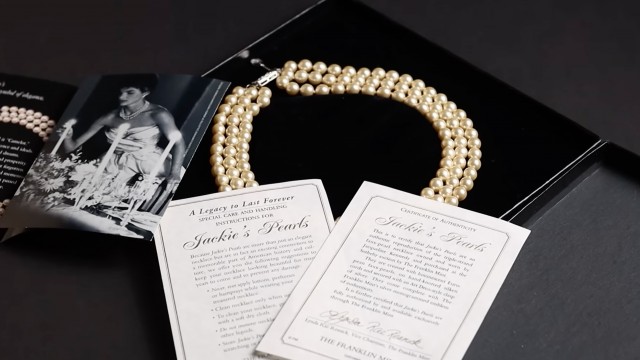
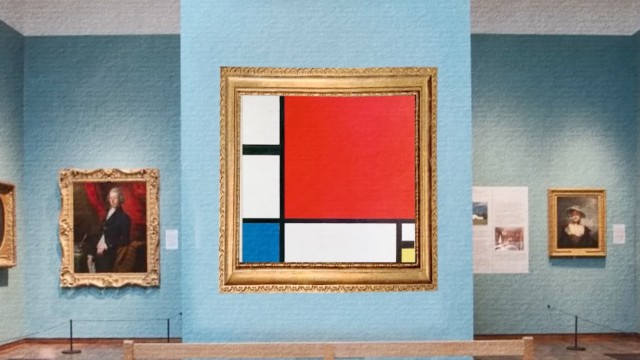
This video is about why people spend thousands, or even millions on priceless products.
Modern design promises to make life easier, but there's a cost. This video explores how the pursuit of seamlessness, convenience, and frictionless experiences is quietly stripping away our curiosity, connection, and sense of meaning. We’re trading depth for ease without even realizing it.
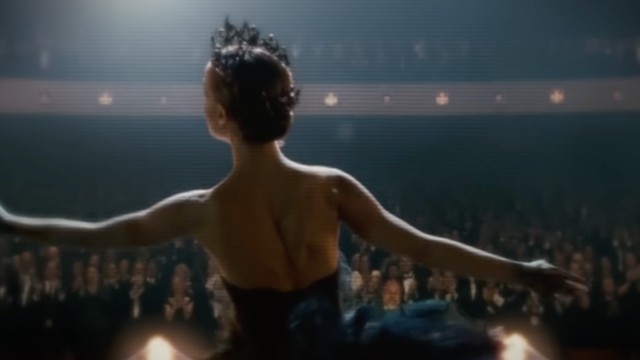
Why do so many brilliant artists, desigers, and creative people burn out? In this video, we explore the ways that creative success can slowly destroy the very people we celebrate.
Design Theory explores how psychological factors like centrality bias and cultural context shape perceptions of beauty, rather than universal rules. Discover why optical corrections in architecture and design impact aesthetic judgments across various mediums.
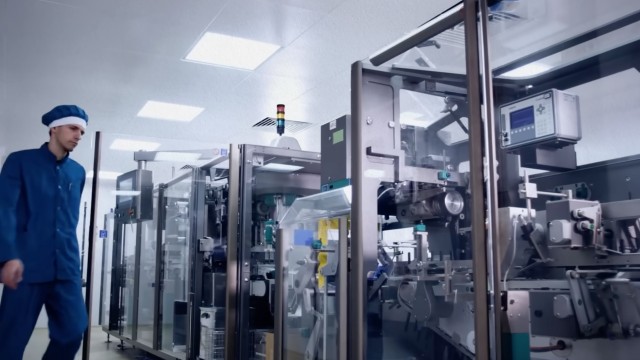
This video uncovers the insane complexity behind the “simple” objects in our lives. Centuries of innovation, billions of dollars in development, and entire global supply chains built the things we take for granted every day.
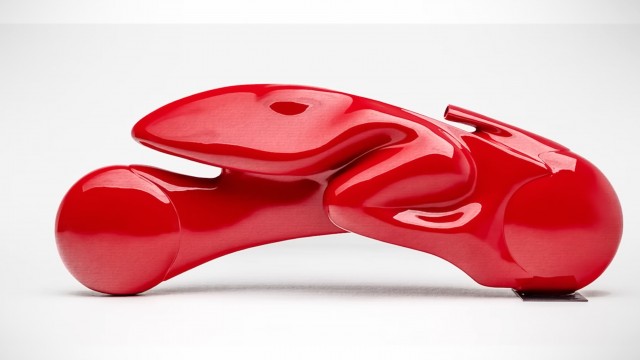
This video discusses Luigi Colani, one of the craziest designers of the 20th century. Colani championed the ideals of biomorphism and fought hard against the design establishment for almost six decades.
Designing for 10,000 years. How do we warn the future, save knowledge, and build stuff that lasts? WIPP/Onkalo, Svalbard, the Long Now clock, the Rosetta Disk, and Voyager.
Everyone's been complaining about how ugly the modern world looks. They say corporations are greedy, designers are lazy, minimalism destroys beauty, convenience destroyed culture...you’ve heard all of it. They're not totally wrong, but they're all blaming the wrong things and they're ignoring the people who quietly decide how almost everything around you is allowed to look.
These seemingly small design mistakes led to catastrophes.
Silicon Valley keeps designing products that barely work, solve nothing, and somehow still make investors and founders insanely rich. In this video, I break down how that happens. This is a video about design, grift, and the systems that reward shallow spectacle. Together, let's find a way to overcome it.
Design Theory explores how subtle auditory cues influence behavior in everyday products, casinos, and medical environments. By examining the psychology behind haptic-auditory coupling and alarm design, this analysis reveals how sound shapes human perception, decision-making, and emotional responses to the world, often blurring the line between utility and manipulation.
Design Theory examines how the modern design landscape has shifted toward a sterile, homogeneous aesthetic driven by algorithmic influence rather than genuine human emotion. By analyzing cars, consumer technology, and urban planning, the exploration reveals how this trend impacts our connection to products and the future, challenging the necessity of sacrificing soul for efficiency.