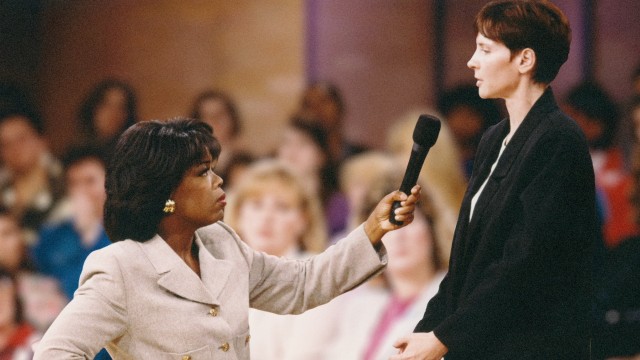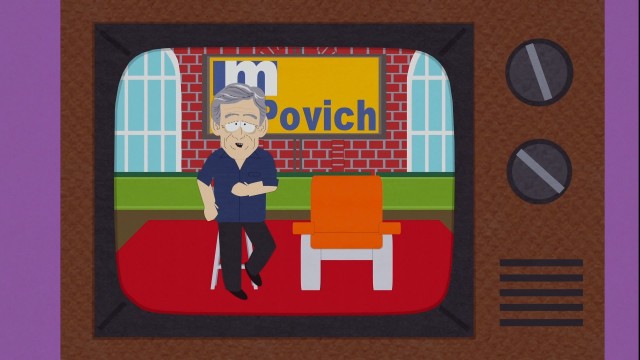
Soap operas and game shows set the stage for the rise of the explosive daytime format of the '90s: the talk show. What starts as an earnest, audience-driven forum quickly devolves into a full-blown spectacle of provocative topics and salacious guests. With shows raking in profits, the competition to out-shock rivals increases - as does the audience's appetite for unchecked sex and conflict. But despite blurring moral boundaries, "Trash TV" hasn't reached its limits ... yet.
By the mid-'90s, daytime talk shows had earned the name "Trash TV." Why were so many viewers tuning in? And why were so many guests willing to air their dirty laundry on national television? With ratings spiking, the shows began pushing the envelope - and its guests - to extremes. But the dark side of Talk TV gets exposed when a guest murders another after being ambushed at a taping. The shocking incident puts the entire industry on trial. Will talk shows finally be forced to clean up their act?
By the late 1990s, Talk TV had not only survived a murder trial but was now reaching new levels of sensationalism. Driven by viewers' insatiable appetite for sex, violence and conflict, many shows lowered the bar, with "The Jerry Springer Show" leading the race to the bottom. The show's snowballing popularity sends shockwaves through the entire genre, forcing producers to escalate even further to keep audiences hooked. How will rival programs adapt to survive in this unprecedented new landscape?