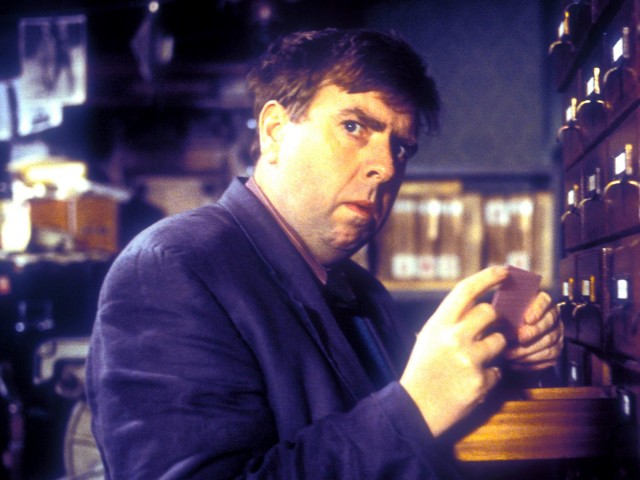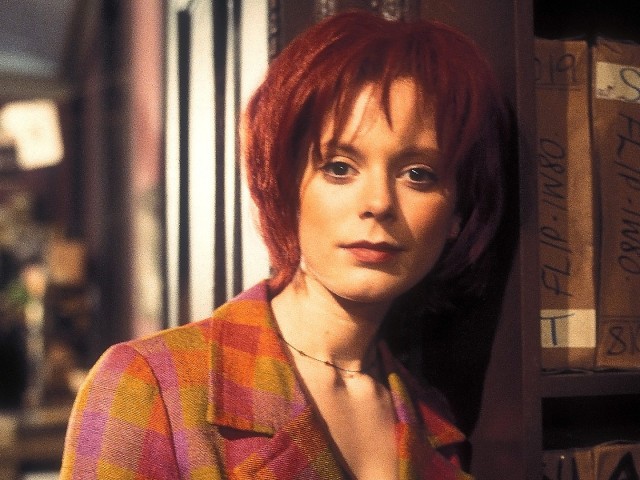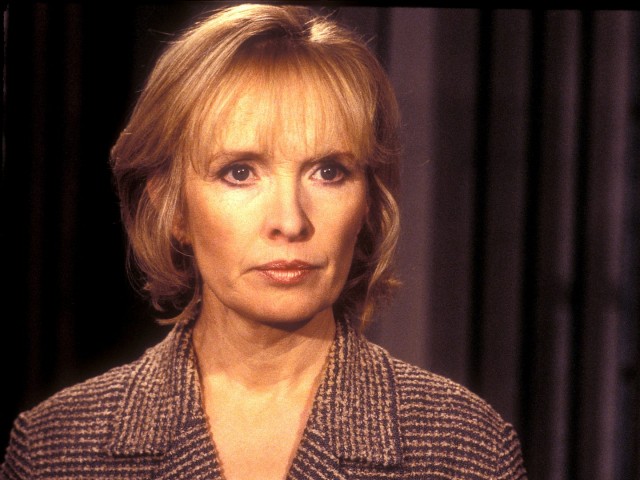
A three-part drama serial by Stephen Poliakoff about a picture library facing closure. When an American property developer arrives in London he is perplexed at the warm welcome he is given by the employees of a vast photographic archive. It seems there has been a misunderstanding and he tells the head of the collection that the ten million pictures will have to be sold or destroyed.
Curator Marilyn has to sack the library's resident expert Oswald and begin the task of finding a buyer for the whole collection. After several rejections, she meets the head of an advertising agency who is interested. Oswald, meanwhile, has been investigating the American property developer Anderson.
Following a strange telephone call in the middle of the night, Marilyn rushes to Oswald's house to find that he has taken an overdose. Looking through Oswald's possessions, she discovers key clues to Anderson's past.
Having forged a reputation with films such as She’s Been Away, City Sugar and the Bafta-winning Caught on a Train, Shooting the Past was Stephen Poliakoff’s first three-part series for television. Taking inspiration from the closure of a photo archive, it weaves a tale of the effects of sudden change. The eccentric staff with their own catering, losing all they’d worked for; the revelation through photos of stories both global and intensely personal. Stephen explains how he was given the brief to write something 'totally different from anything seen before', exploring how long he could push the length of scenes, how the cast held real photos in every sequence rather than adding them in after filming and how the casting of Timothy Spall completely changed the perception of that character. And he describes how the core elements of the story, institutions facing sudden closure, the loss of personal knowledge to corporate systems, still has relevance today.
Included alongside the original broadcast, two of the minor characters give monologues in which they discuss their favorite photographs. An optional commentary track can be activated for each story. When debuted, viewers were told that one story was true and the other false. Veronica shares images in which meat packers are secretly involved in Winston Churchill’s experimental plan to construct ice ships. While some of the photographs are taken out of context, this story is true.
The second story told by Emilia Fox’s character is a meditation on photographs depicting celebrities before their fame. She discusses a picture of a shadowy figure walking away. Legend has it the mysterious silhouette is someone famous, but no one knows who. The story is a hoax.
Director/writer Stephen Poliakoff discusses his inspiration for the series between interviews with Lindsay Duncan and Timothy Spall. Palikoff walks us through the BBC archives, and in what feels like gratuitous filler, shows off articles on his first film from the 70s. Clive Owen pays a visit and offers his take on the series.
Reviews the photos created for both Lilly’s and Hetty’s stories. We learn from the audio commentary for the main feature that some scenes are staged, while others are doctored renditions of authentic period pieces.